


Your cart is empty.
Fine Art Colour Pencils
Fine Art colour pencils let you work with colour precisely while keeping control of your drawing. Easy to use and suitable for many techniques, they support early artistic experiments as well as more detailed work: illustration, observational drawing, portraits, landscapes, colourful sketches or personal compositions. Unlike simple colouring, drawing with colour pencils builds the image gradually. By varying pressure, stroke direction and layering, you can create shades, gradients, shadows and many texture effects.
How to choose colour pencils for artistic drawing
Your choice depends mainly on your practice and the result you want. Beginners can start with a set of essential colours to experiment with mixing and create many compositions. A larger palette offers more ready-made shades and makes portraits, landscapes or detailed illustrations easier.
The quality of the pencil lead also affects the drawing experience. A soft lead lays down colour and layers easily, while a firmer lead usually keeps sharper lines and fine details.
Gradients, layering and mixing: working colour differently
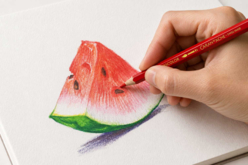
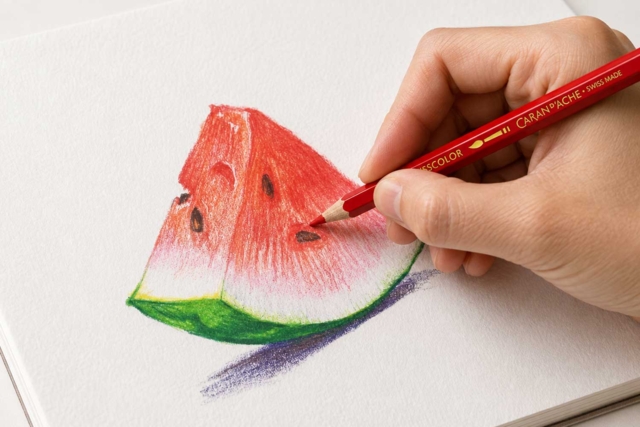
One key advantage of colour pencils is building shades gradually. Light pressure lays down a transparent first layer, then repeated strokes deepen the colour. You can layer several colours to create new shades, work shadows or add depth. Changing the pressure lets you move from light to intense colour. These techniques allow both flat areas and subtle gradients, making colour pencils a useful medium for learning to observe volume, light and contrast.
Which paper to use with Beaux-Arts colour pencils?
Paper affects the drawing’s finish. A fairly smooth surface helps with details and precise lines, while a more textured paper holds pigments better and adds texture to flat areas. The paper weight should suit your techniques. For colour pencils alone, drawing paper is an excellent base. To combine pencils with watercolour, inks or other media, a more adaptable mixed media paper is better. Drawing pads are handy for sketches, regular practice or drawing on the go.
Combining colour pencils with other Beaux-Arts techniques
Colour pencils can be used alone or with other media. They add fine details, strengthen areas after colouring or complete work done with other tools. They pair well with graphite pencils for initial sketches, and with felt tips and markers to contrast flat areas and details. Water-based techniques offer more options. Combining drawing with watercolour painting lets you alternate painted areas and precise pencil work.
Colour pencils for beginners and progress
Colour pencils are a great introduction to Beaux-Arts. They need no special preparation or drying time and let you easily build up colours. Beginners can start by mastering pressure, hatching and gradients before exploring mixing and layering. With practice, these techniques help refine volume, texture and light. Portraits, botanical illustration, animals, landscapes or abstract drawing: colour pencils offer enough possibilities to support progress and develop a personal style.
Completing your drawing kit
To create a complete drawing space, colour pencils can be paired with graphite pencils, erasers, sharpeners and other drawing accessories. Choosing suitable paper or a drawing pad lets you fully enjoy different lead hardness and colouring techniques. To vary your practice, also explore our materials for watercolour, felt tips and markers and other Beaux-Arts drawing techniques.
Frequently asked questions about Beaux-Arts pencilsWhat is the difference between classic colour pencils and Beaux-Arts pencils?
Artistic ranges focus on good pigmentation, even application and shades that allow finer mixing, gradients and layering. Exact features vary between pencil ranges.
How to make a smooth gradient with colour pencils?
Start with light pressure, then gradually increase intensity. Several light layers usually create a smoother transition than heavy pressure from the start.
Can you mix several colours with colour pencils?
Yes. Layering colours creates new shades and enriches shadows or volume. It’s best to start with light layers to keep options open for later colours.
Which paper is best for colour pencils?
Drawing paper suits most uses. Smooth paper favours precision, while lightly textured paper adds texture. For combining pencils with wet techniques, choose suitable mixed media paper.
6 products
-
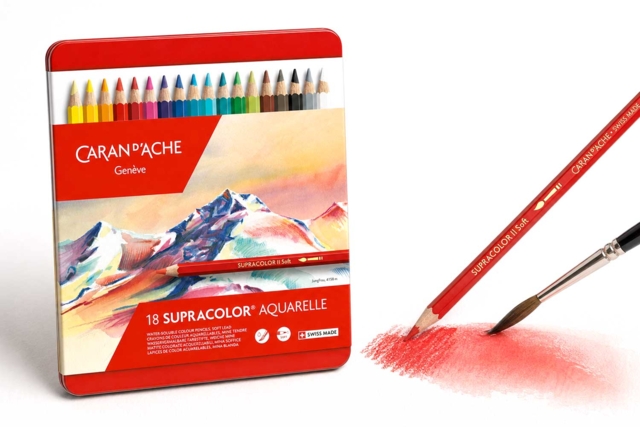
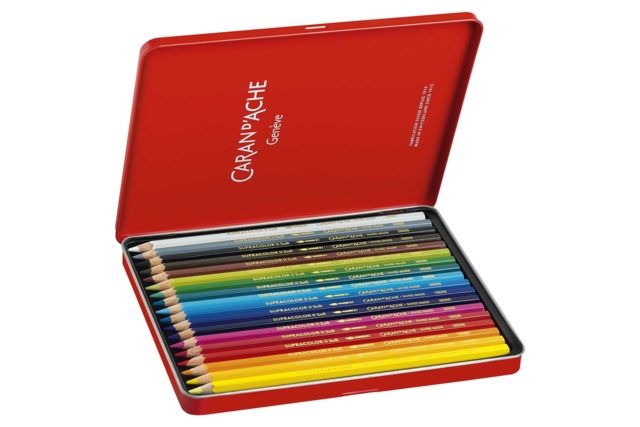
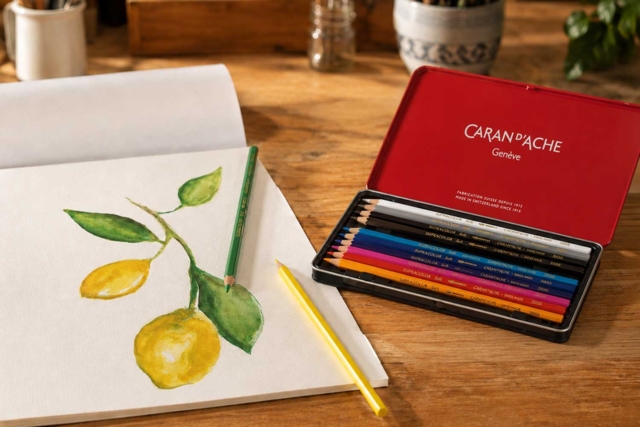
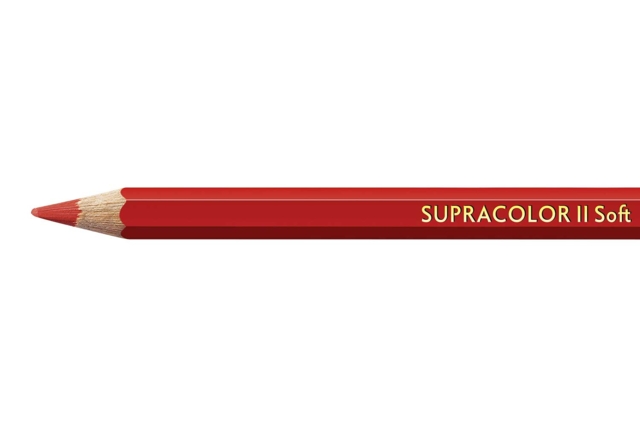
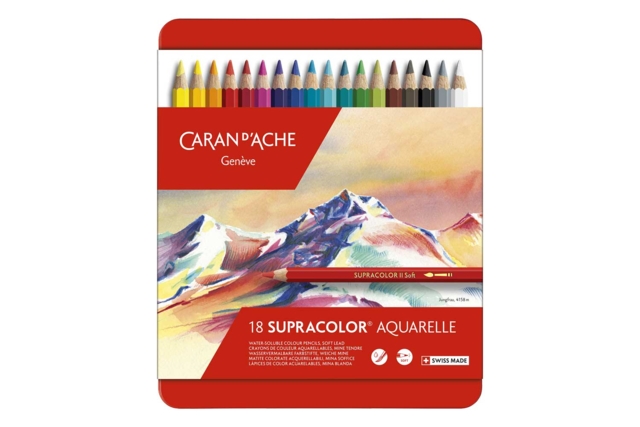
Supracolor™ Watercolour Pencils by Caran d'Ache
49,99€ -
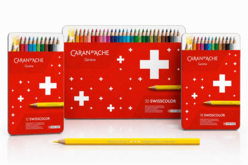
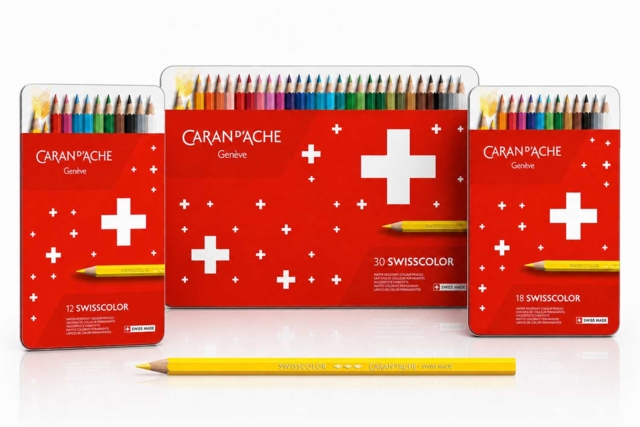
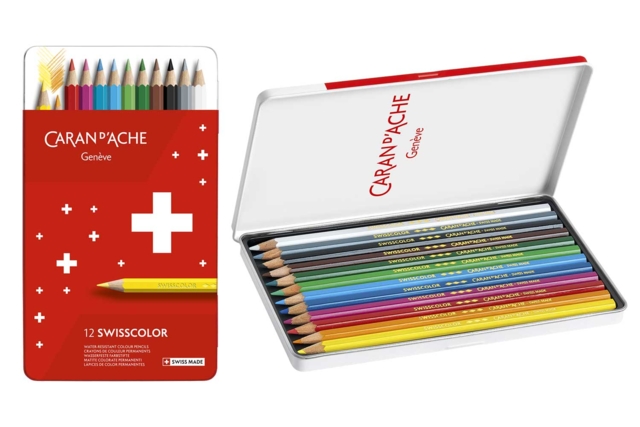
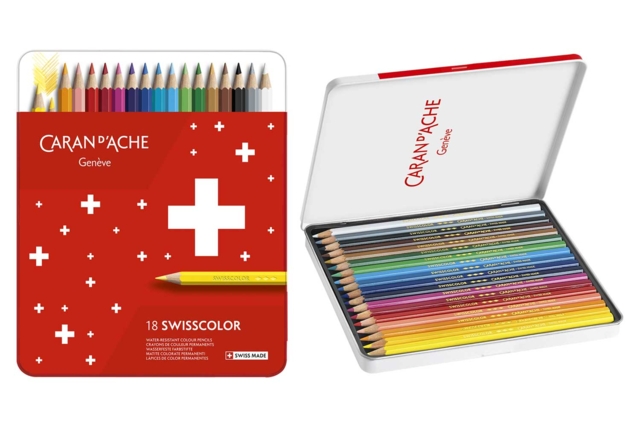
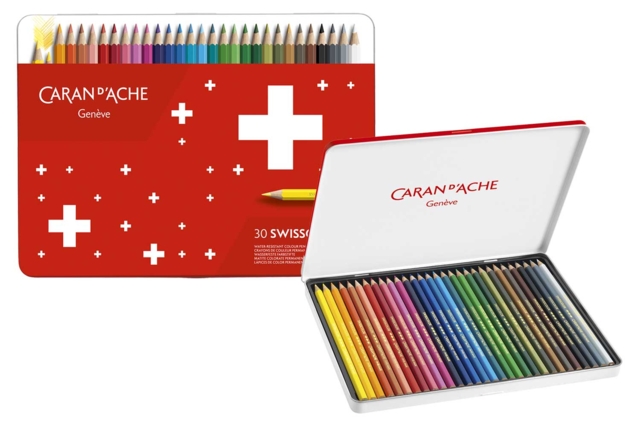
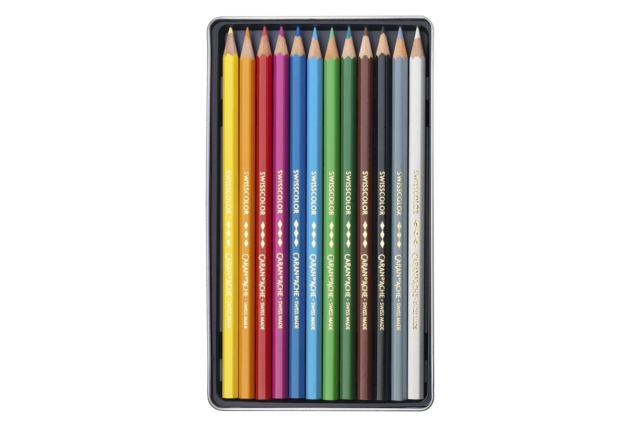
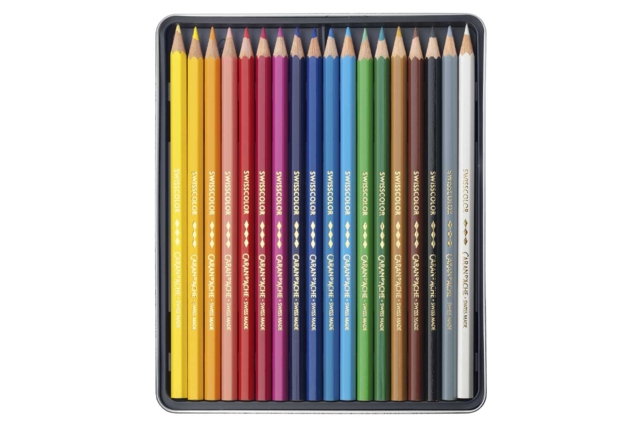
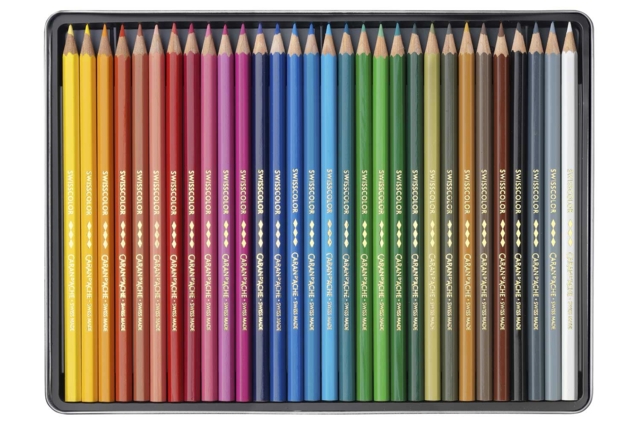
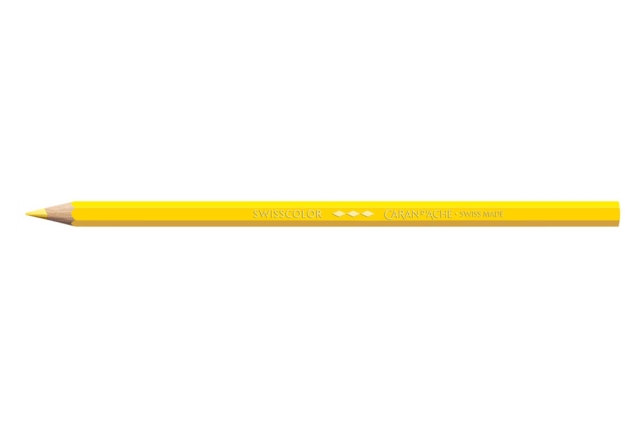
Swisscolor Permanent Colored Pencils
from 18,99€ -

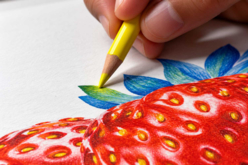
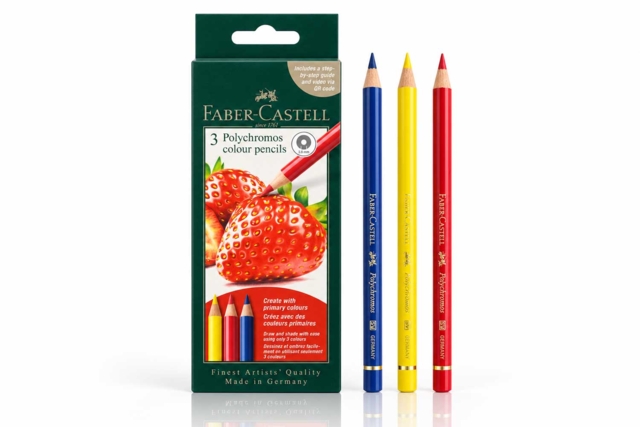
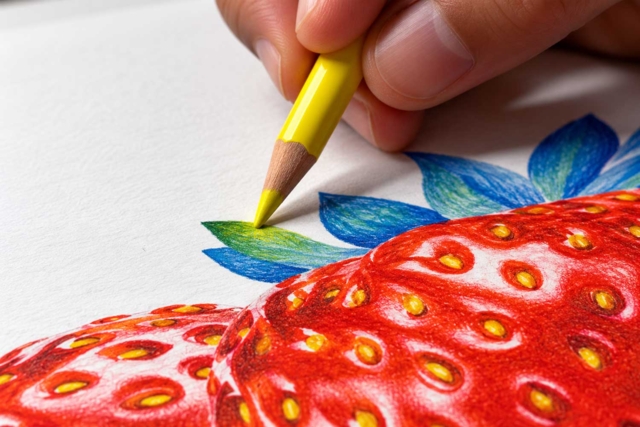
Faber-Castell Polychromos Pencil Set – "Strawberry" The...
7,90€ -
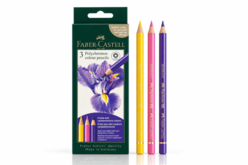
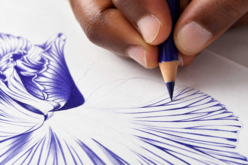
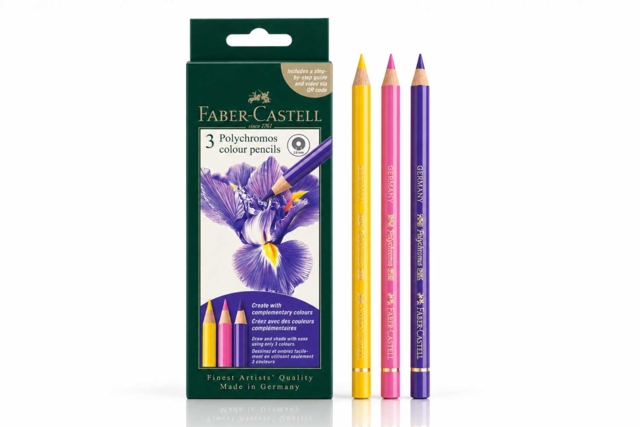
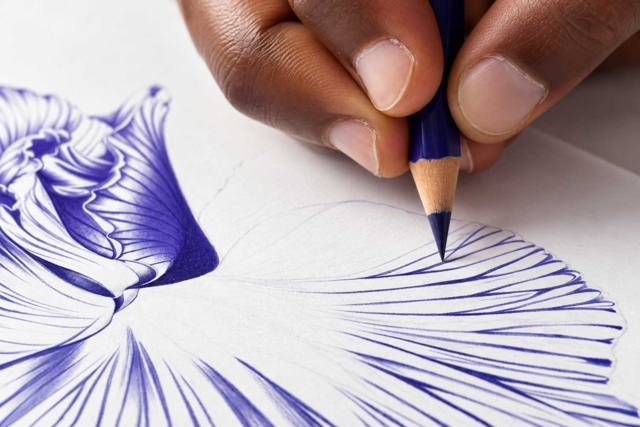
Faber-Castell Polychromos Pencil Set – "Iris" Theme
7,90€ -
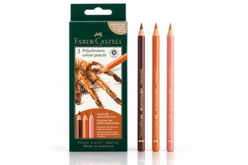
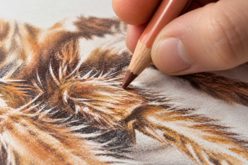
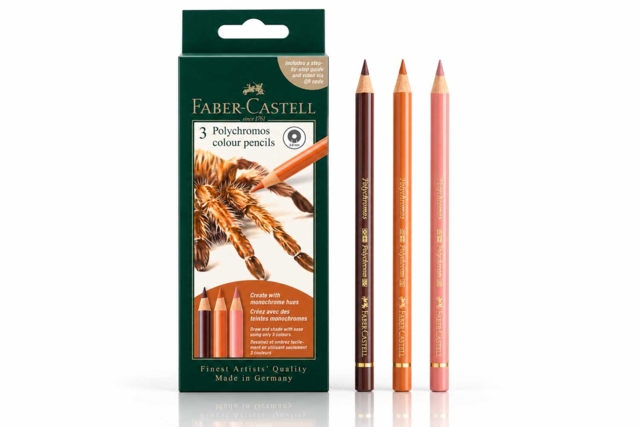
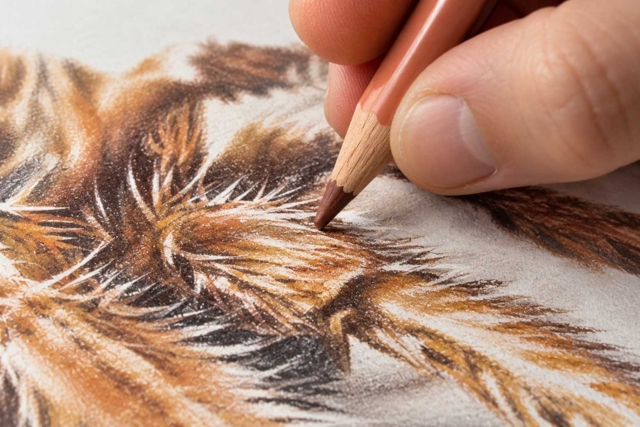
Faber-Castell Polychromos Pencil Set – "Spider" Theme
7,90€ -
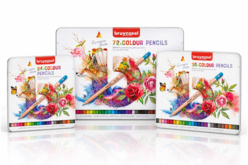
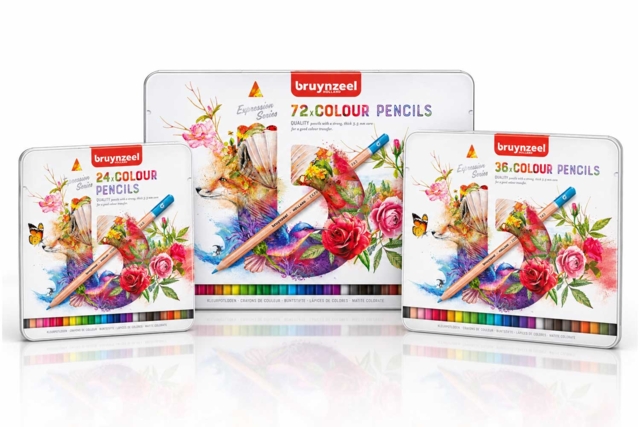
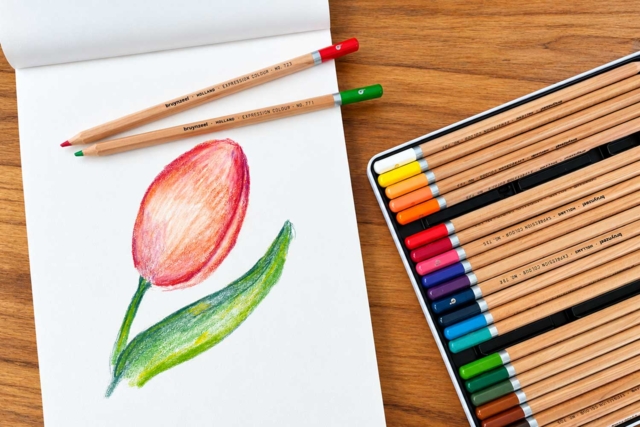
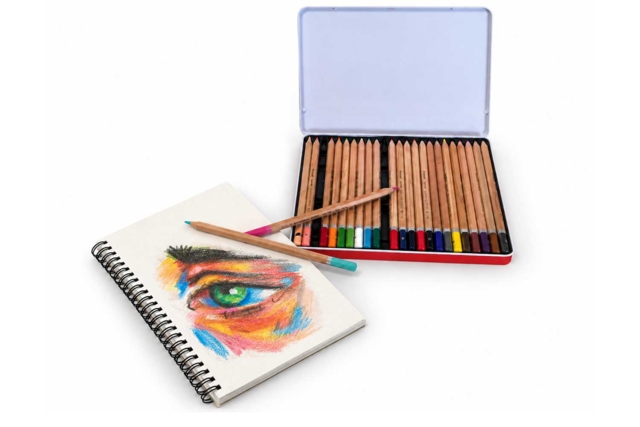
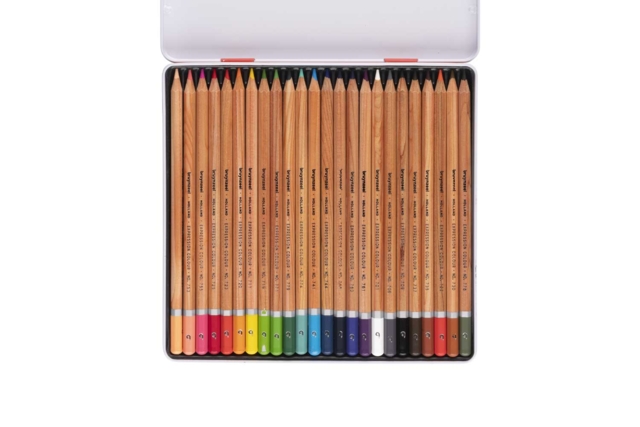
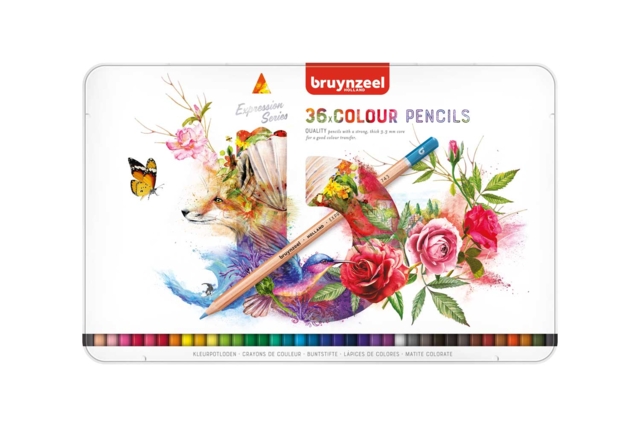
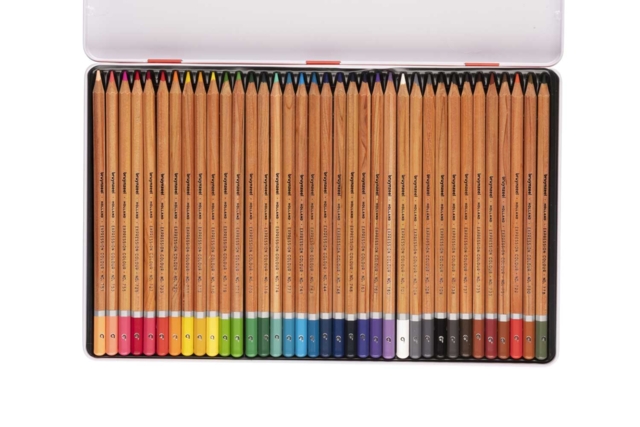
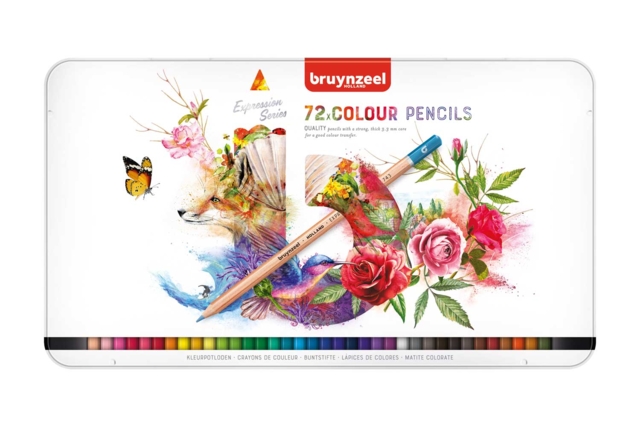
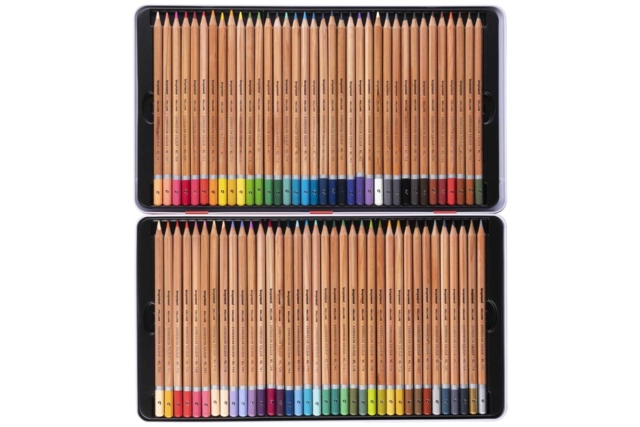
Bruynzeel Colour Pencils, Fine Art Quality
from 19,99€


